Landlord
- One roof system across every unit
- Shared drains repaired once for all tenants
- A zone map showing who sat under which section

We handle St. Marys commercial roofing for retail blocks and shops, replacing shared roofs in zones that fit tenant hours.
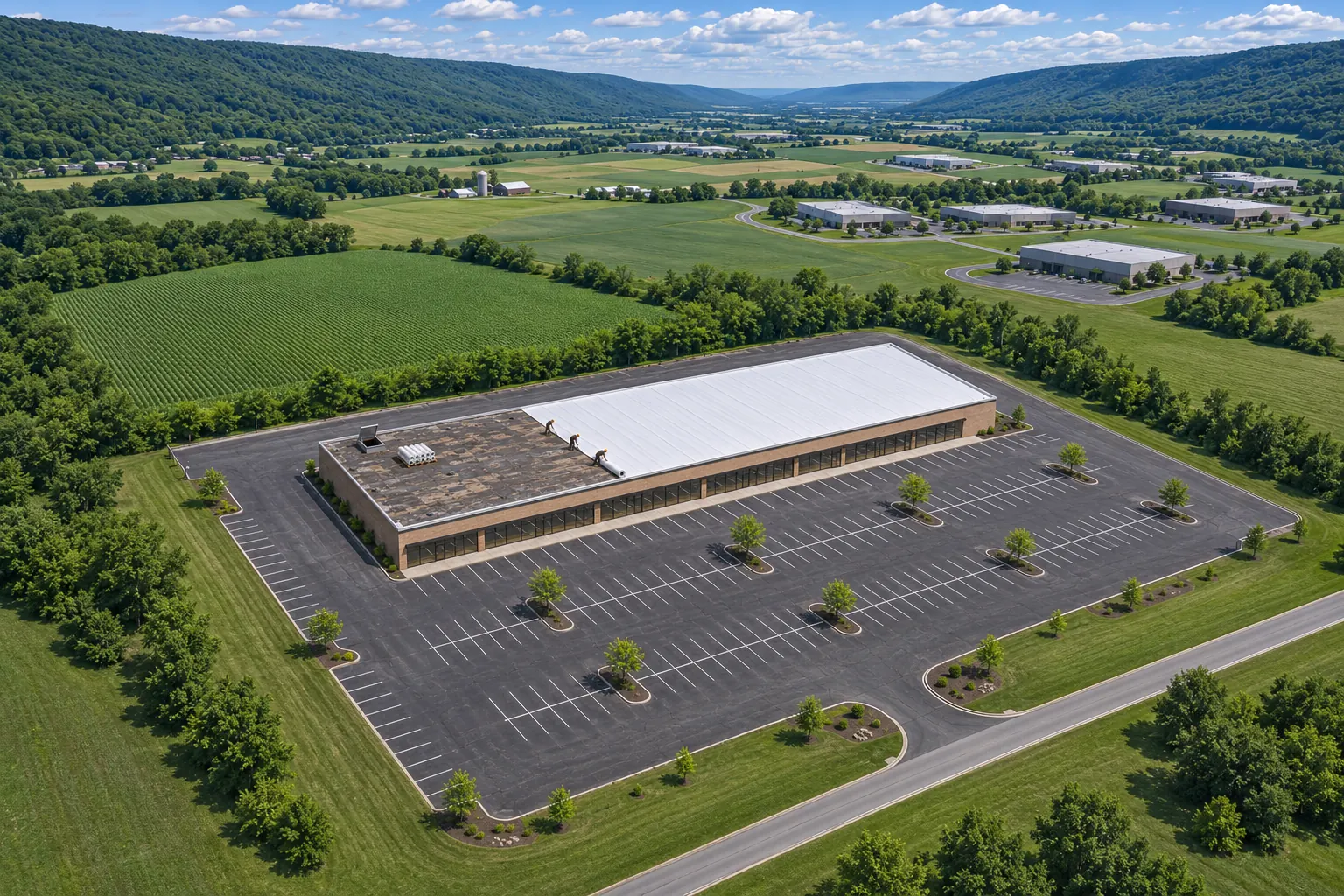
St. Marys commercial roofing on shared retail blocks gets divided by tenant hours, then checked against where the roof can safely stop.
Tenant walls inside rarely line up with good stopping points on the roof above. We map shared drains, crickets, and seams first, then draw work zones that close cleanly each night.
Noisy tear-off runs over each store when it is closed, and quieter flashing work follows during open hours where the roof allows.
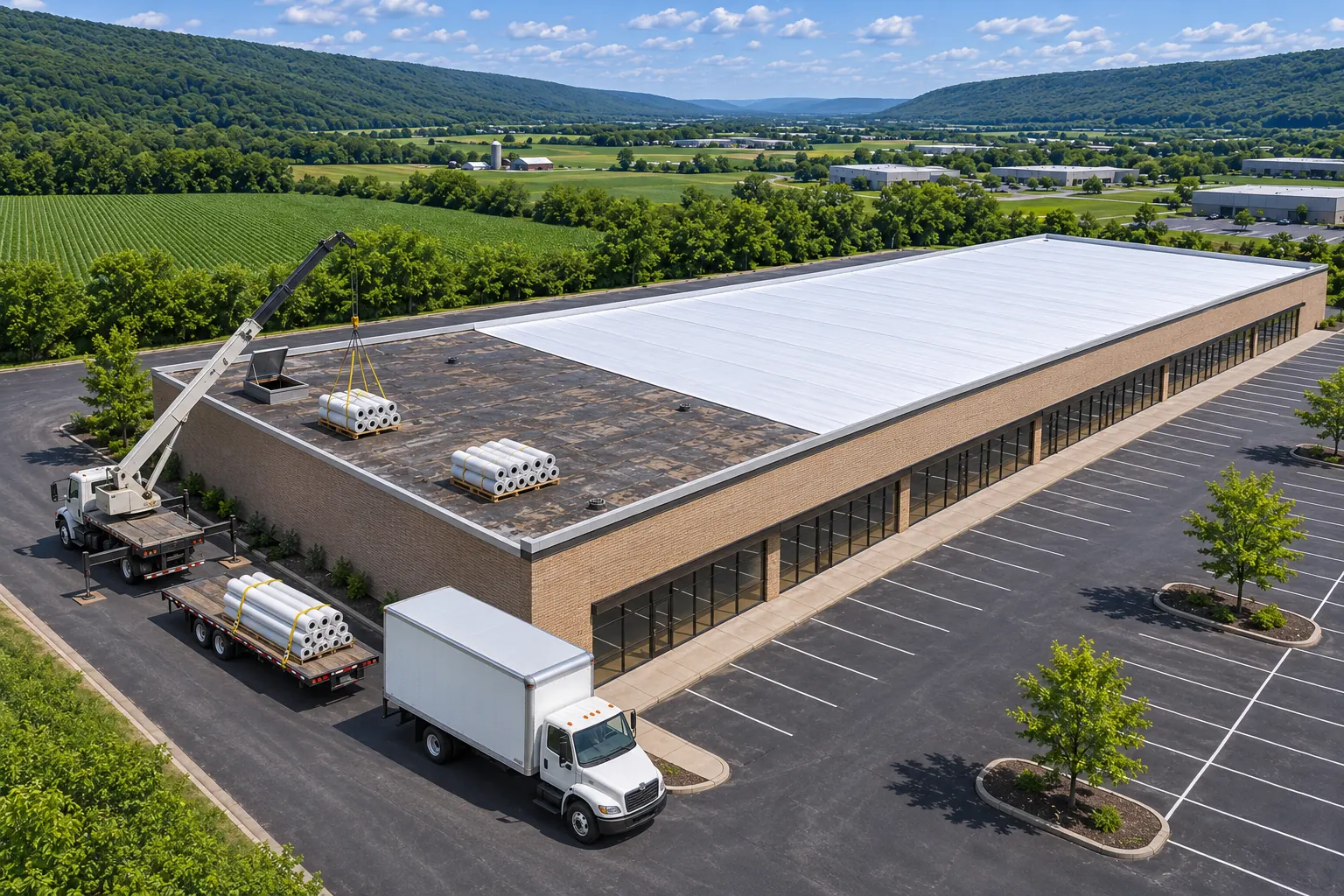
Retail rows show roof trouble at the counter and the stockroom first.
A leak that stays inside one store still often starts over a neighbor, where the shared drain sits.
One clogged drain backs water across two or three storefronts before it shows inside.
Fresh leaks after a tenant adds a rooftop unit usually trace to its new curb.
Curbs cut in by different tenants over the years carry mismatched flashing and sealant.
Icicles over entrances in winter mean meltwater is reaching the front edge and refreezing.
Loose gravel stop and gaps at the fascia let water run behind the storefront sign band.
Buckets in the aisle after storms are a sign the leak is in the field, far from any wall.
Seams on older shared roofs lift between drains where water sits after thaws.
Soaked boxes in the back room after a big snowfall point to meltwater backing up behind a rear parapet.
Drifts pile up along the back wall of a retail row and hold meltwater against the base flashing for weeks.
A shared retail roof touches the landlord, each tenant, and the shoppers.
Shared retail roofs in St. Marys mostly take one of these four systems.
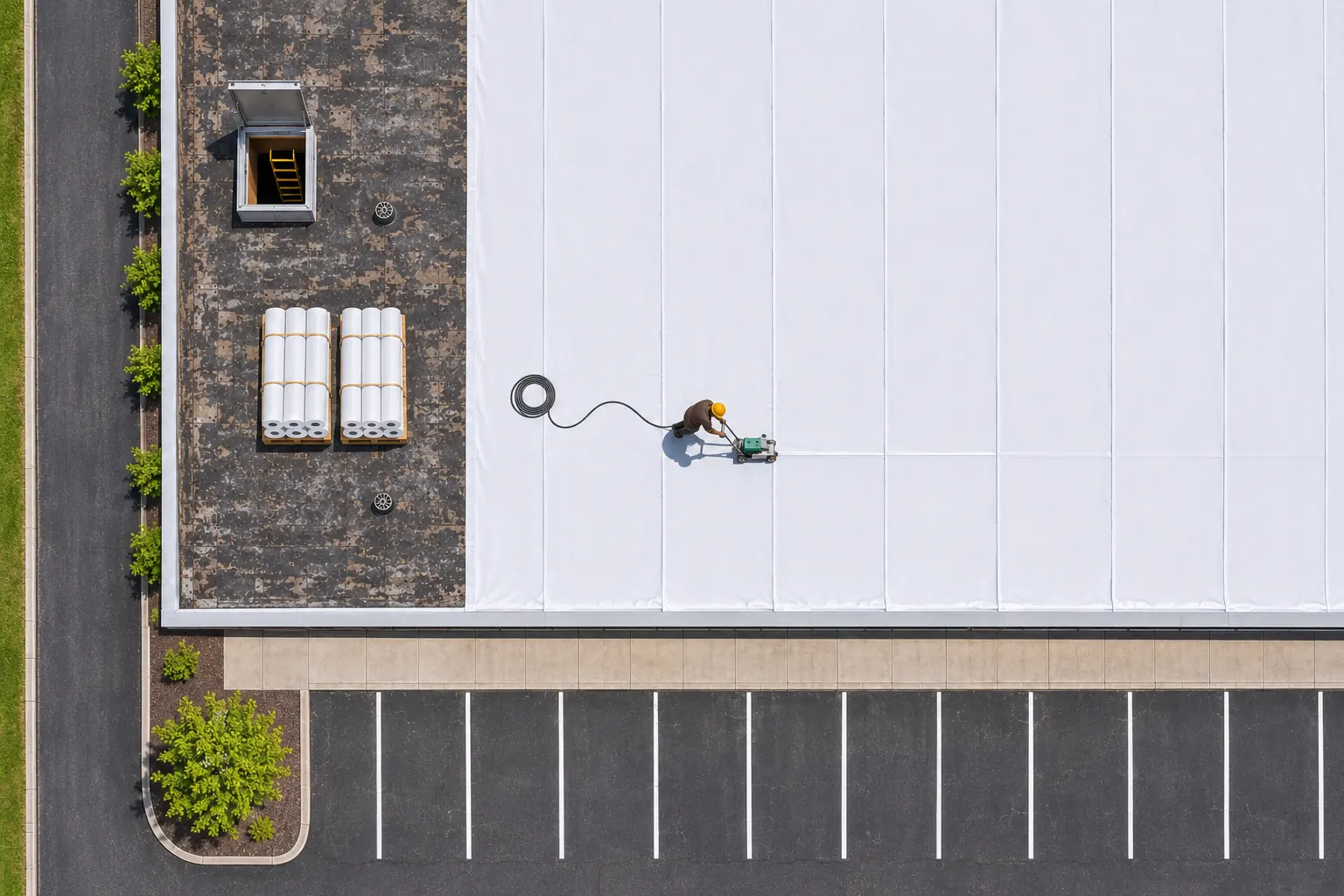
Welded white TPO handles shared retail roofs with many tenant units, and each zone ties in cleanly at night.
TPO Roofing details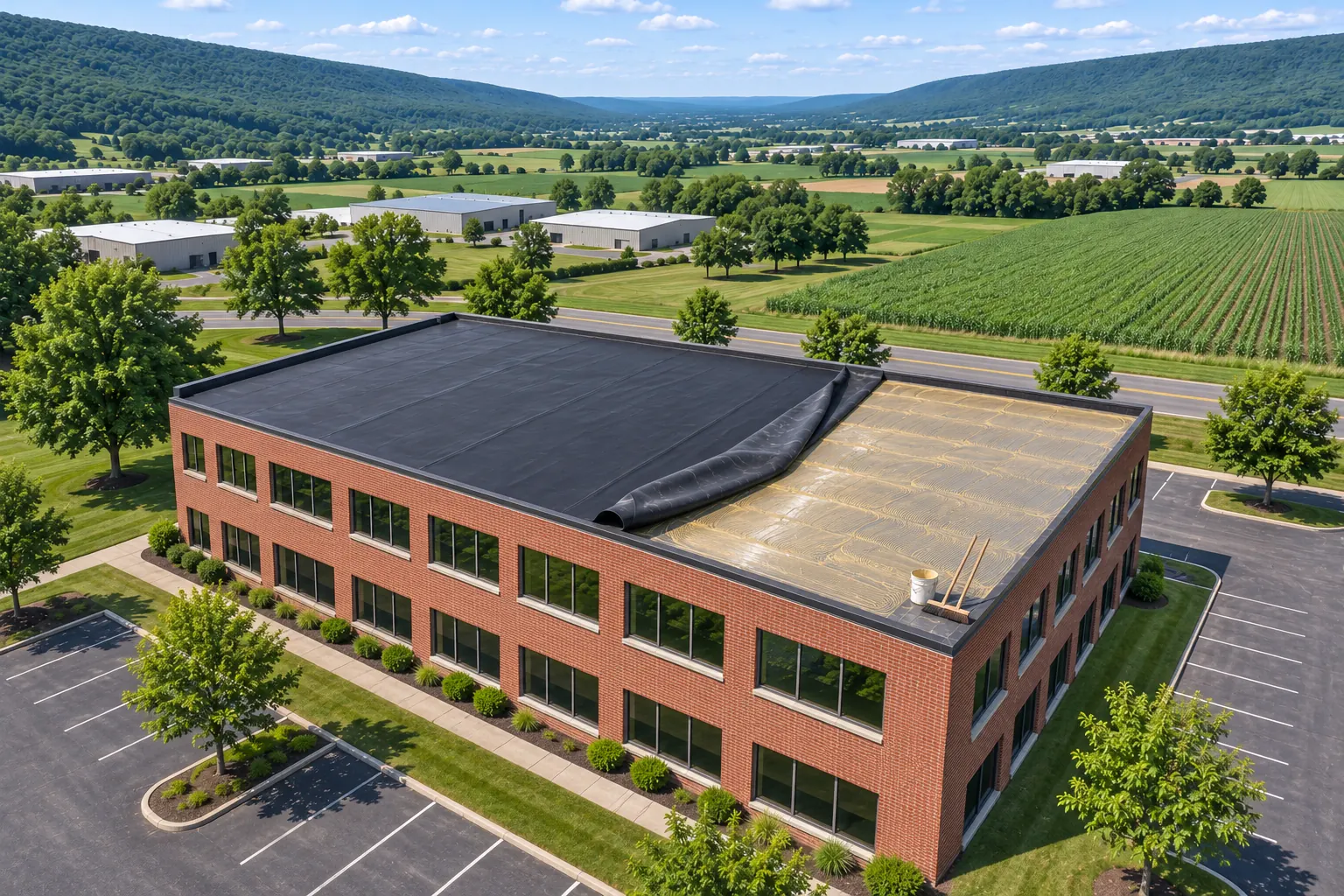
Older retail rows with rubber roofs can stay EPDM when cores come back dry across the shared field.
EPDM Roofing details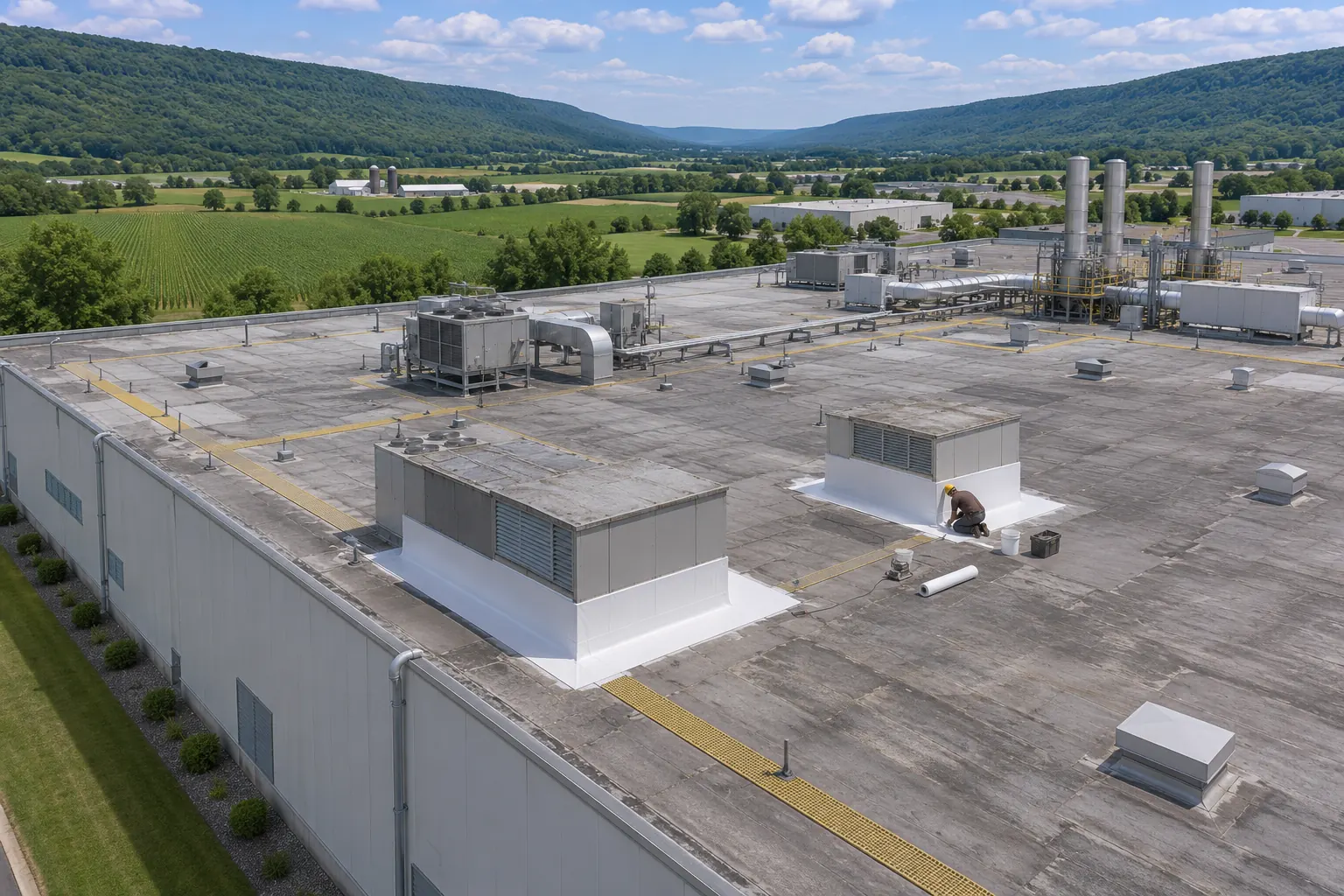
Manufacturing buildings around St. Marys need roof work sequenced with production and equipment access.
Industrial Roofing details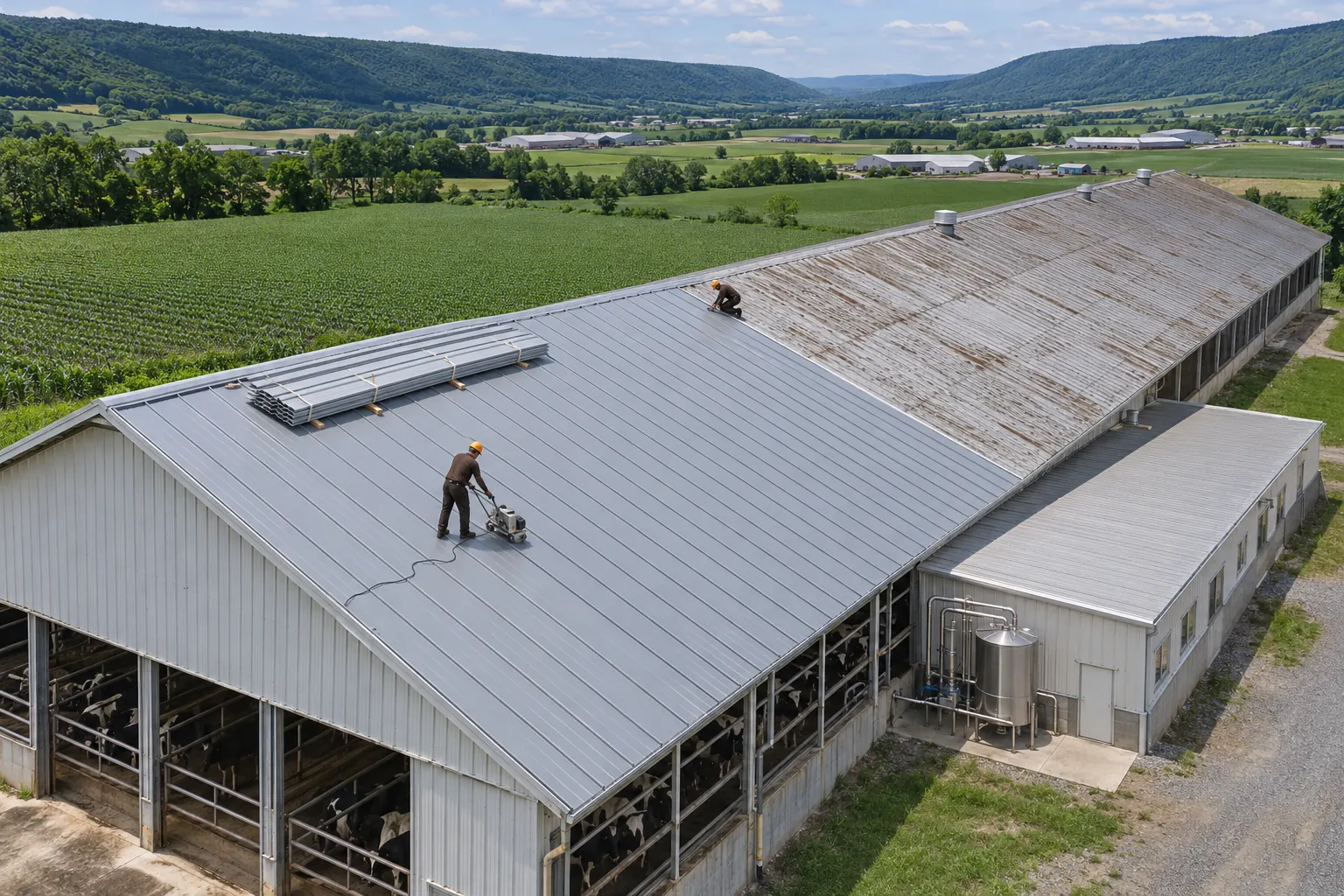
Pitched warehouses and storage buildings behind the shops take standing-seam panels with snow guards.
Commercial Metal Roofing detailsSend the store list and opening hours with the address. We will draw work zones that fit both the tenants and the roof.
Shared retail roofs move through these steps, one zone at a time.
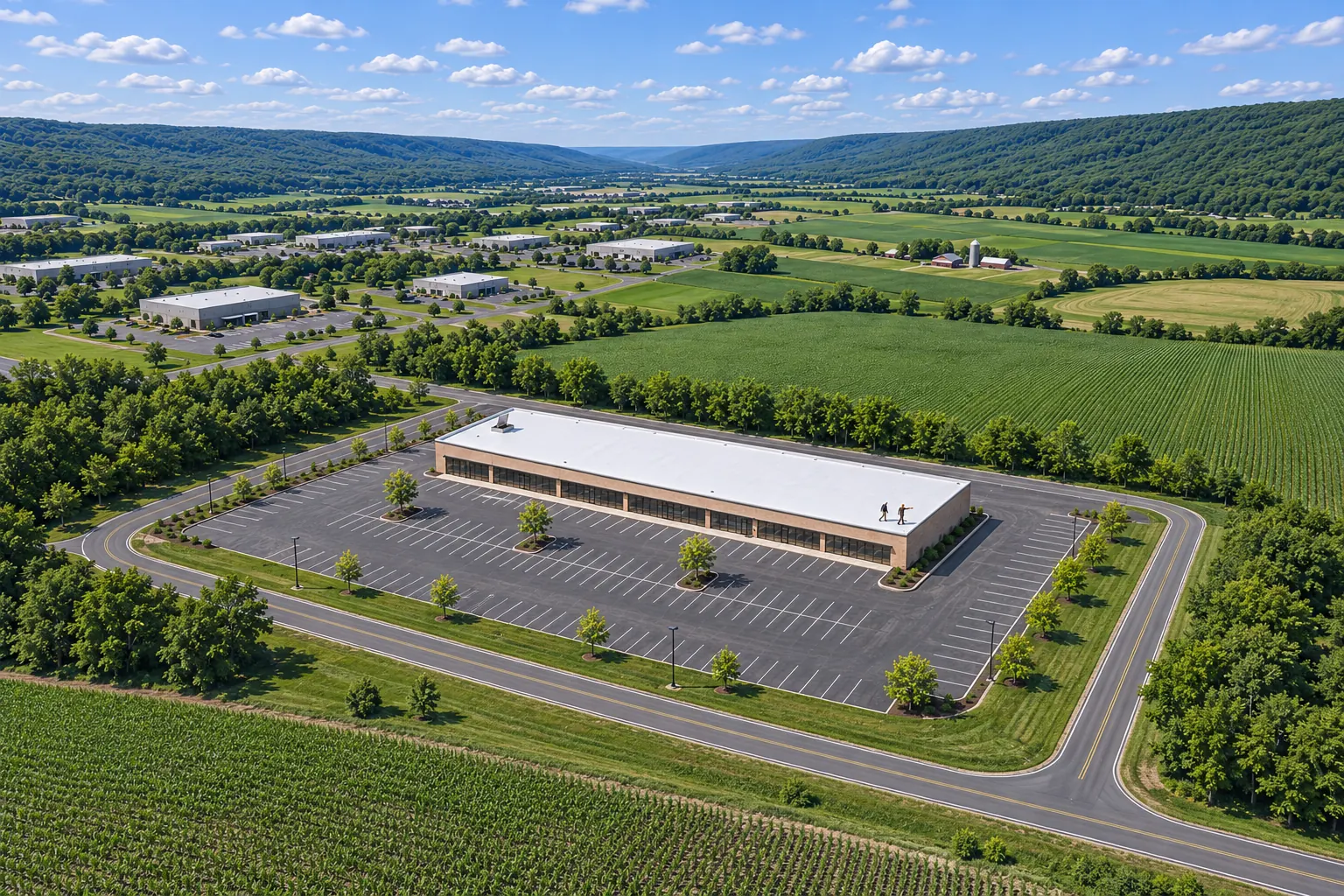
We match each tenant space to the roof above it, and mark shared drains, curbs, and crickets.
Stopping points get set where seams, crickets, and drains allow a clean nightly tie-in.
Each zone gets dates that fit its store hours, with noisy work after closing where it fits.
Old roofing comes off, new insulation and membrane go down, and the edge gets sealed before the crew leaves.
Shared drains get flow-tested once every zone is done, then we walk the roof with the landlord.
From St. Marys we also take commercial roofing work in the towns below.
Shop or building outside St. Marys? Call us or send us a message with the address.
Yes, when the work zones also make sense on the roof. Tenant walls inside seldom match good stopping points above, so we set zones by drains, crickets, and seams, then fit them to store hours. Each zone closes before the crew leaves.
The roof walk sets it. Total area, layers to remove, insulation, deck repairs, edge metal, curbs, and the number of work zones all count. More zones mean more nightly tie-ins, which adds labor.
Most jobs are flat retail and small commercial roofs replaced with TPO or EPDM, plus pitched storage buildings in metal. The work starts with a roof walk and cores.
Single-store roofs are part of the work we take on in St. Marys. Small roofs follow the same walk, cores, and written scope as a full retail block.
That comes down to the leases. Our scope breaks the roof into zones and lists shared items such as drains, so the landlord and tenants can apply their lease terms to clear numbers.
Shoppers keep using the stores in most cases. We keep entrances clear, set material lifts at the rear, and close each zone before the crew leaves. A sudden storm meets a sealed roof, and the open area is never larger than one day of work.
Roof condition across the whole row decides it. One leak on a newer roof is a repair visit. When cores find wet board under several stores, or seams are failing between drains everywhere, replacing the shared roof zone by zone usually costs less than chasing leaks store by store.
Send the address and tenant hours, and we will set up a roof walk.